
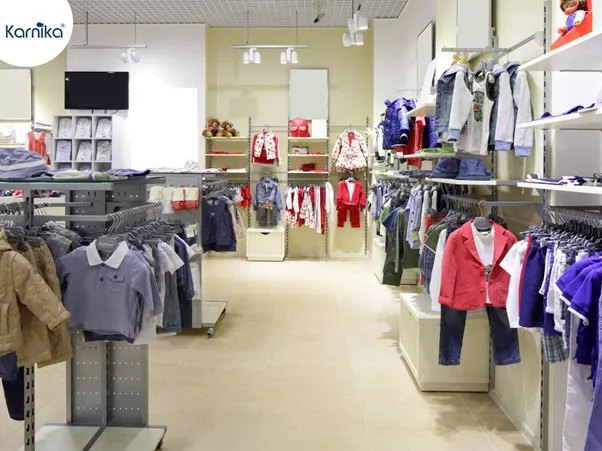
The kids’ wholesale market is quietly transforming the way it used to function for both wholesalers and retailers. What once revolved around price lists, seasonal bulk orders, and predictable designs is now getting shaped by values, technology, and smarter buying decisions.
Okay, so what does this change look like?
As we move through 2026, kidswear wholesale is no longer going to be just about stocking clothes that sell. Sellers now need to better understand why parents buy, how retailers source, and what the next generation of buyers expects from kids’ clothing brands.
And we at Karnika have designed this guide to break down what’s changing and why 2026 is just the beginning of a massive change. We are going to talk about what retailers and wholesalers must understand before sourcing or scaling in the evolving kidswear wholesale market.
A quick snapshot: How has the kidswear industry evolved?
The global kidswear industry has always enjoyed steady demand in comparison to adult wear. Children grow fast, clothes wear out quickly, and as a result, parents are consistently refreshing their little ones’ wardrobes.
This natural replacement cycle has long made kids’ product wholesale a stable business. But like everything, there have been noticeable shifts over the years in how parents are buying for their children. What’s new is how demand from parents has evolved:
- Parents are now buying fewer but better-quality garments.
- Comfort and safety matter as much as design.
- Trust in brands and suppliers has been strongly influencing repeat purchases.
So, in 2026, these shifts will no longer be niche categories or happen only in Tier-1 cities. These shopping behaviours now define the mainstream kids’ wholesale landscape. Parents everywhere are now more conscious about their expectations from kids’ clothing brands.
Why 2026 is the year of change for kids’ wholesale?
2026 is leading the way for change, and it is almost like that quiet pause before the big shift that will finally take over the kidswear industry.
The kids’ wholesale space is moving beyond the concepts of bulk buying and price-only decisions into something more thoughtful, value-led, and tech-aware. Parents are now asking better questions before making a purchase, and this is encouraging retailers to source more intentionally. And this in turn is nudging suppliers to do better, not just faster.
There are several factors that are silently but powerfully encouraging these changes:
- Consumer behaviour is changing: Millennial and Gen Z parents are more informed, value-driven, and vocal about what they consume.
- Technology adoption is gaining speed: AI, data analytics, and digital platforms are reshaping not just buyer behaviour, but also retailer and supplier sourcing.
- Sustainability is non-negotiable: Parents want proof and not promises when it comes to choosing what they want for their kids.
For anyone involved in kids’ wholesale clothing, 2026 marks the year when adapting becomes essential, not optional.
So, what do retailers & wholesalers need to understand and focus on before getting completely involved in the kidswear industry? Here are a few factors that you need to keep in mind.
1. Market growth & changing demand
The kidswear wholesale market is expected to grow steadily through 2026, and it will be supported by factors like:
- Predictable replacement demands from parents due to their child’s developmental growth.
- Rising disposable income among urban and semi-urban families is creating more opportunities for demand from kids’ clothing brands.
- Increased focus on kids’ comfort, health, and durability by parents and sellers.
The kidswear market is changing because what parents prefer now is shifting. From generic fast fashion to buying whatever is trending, parents are now more eager to explore premium fabrics, better stitching and fit, and designs that will last longer.
This means that wholesale kids’ clothing suppliers should give more weight to quality than quantity for reliable selling.
2. Sustainability is no longer optional
As more parents are becoming careful about their children’s clothing materials, sustainability has moved from being a marketing language to a buying necessity.
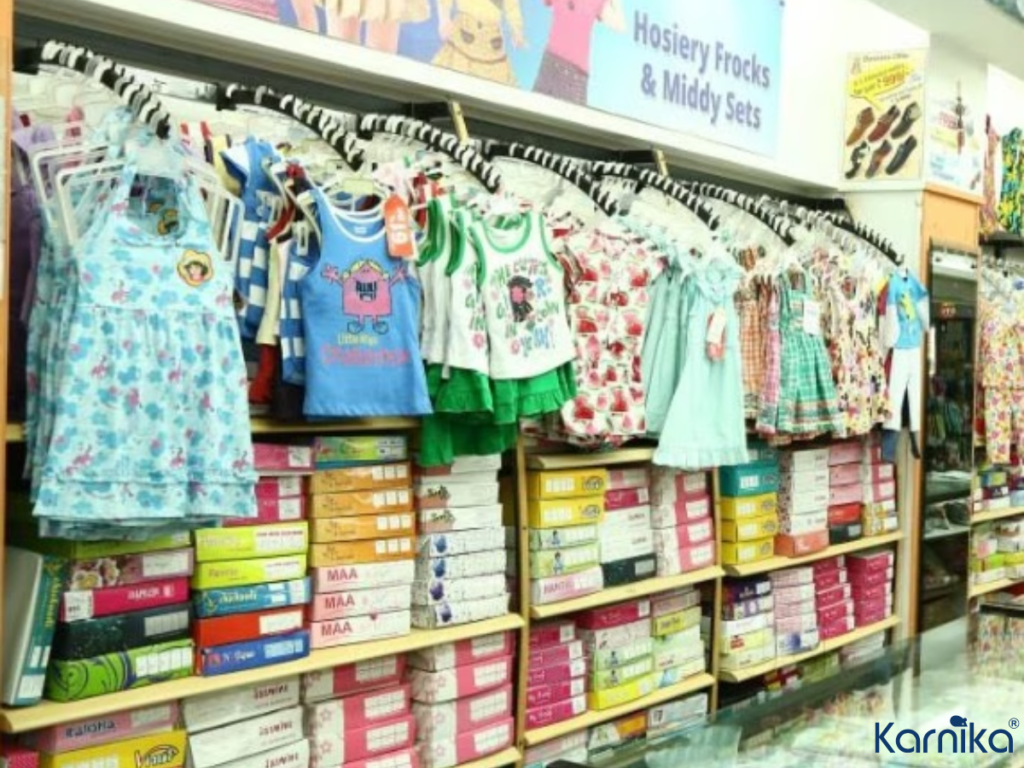
Yes, parents now want products that are not just gentle for their children, but also eco-friendly and protective of the planet. And key changes shaping these kids’ dress wholesale decisions are:
- Strong demand for materials like organic cotton, bamboo, and skin-safe fabrics.
- Growing acceptance of resale and rental models in kidswear among parents in Tier-1 and Tier-2 cities.
- Buyers are actively checking for certifications like GOTS and OEKO-TEX before buying.
Retailers sourcing from kids’ wholesale channels are increasingly preferring suppliers who can prove ethical and eco-friendly practices. And this makes it clear for kidswear manufacturers to bulk up on kids’ clothes that are sustainable and favour the planet.
3. Digital transformation of the buying & selling of kids’ clothing brands
Technology is redefining how kids’ wholesale clothing businesses are operating. AI and online platforms are changing the way parents shop and sellers sell.
Some of the major shifts, thanks to technology, are:
- Changes in forecasting and demand predictions through AI-driven technologies.
- Smarter inventory planning to focus on demand-based stocking and avoid overstocking.
- Online wholesale platforms are replacing physical-only sourcing and rising demand for online selling.
Additionally, augmented reality and digital customisation tools are also emerging, and this is helping retailers visualise collections before placing bulk orders and reducing return rates. For the kidswear wholesale market, digital growth is becoming a competitive advantage for building confidence and boosting sales, for both retailers and wholesale suppliers.
Read me: Wholesale Children’s Clothing Distributors: 10 Retailer Tips
4. New consumer values shaping kidswear wholesale
Today’s parents aren’t shopping randomly. Before every purchase, they take a quiet pause and ask if this particular item is safe or if it is made responsibly. They want to know if it will actually last and grow with their child or just be another fast fashion item gone in a few months.
In kids’ wholesale, this shift shows up as something deeper than trends. Values like trust, transparency, and ethics are now important factors in buying decisions, showing how the kidswear wholesale market needs to think about pricing, partnerships, and long-term brand loyalty.
Younger parents are prioritising:
- Ethical manufacturing
- Transparent pricing and sourcing
- Brands that align with their lifestyle choices
Of course, pricing still matters, but purpose now influences loyalty, and retailers will always choose suppliers whose values reflect their customers’ beliefs.
5. Trend evolution in styles & designs
Kidswear today is less about dressing children up and more about letting them be themselves. Parents are choosing clothes that move, stretch, and breathe with their child, keeping up with real play, real messes, and real growth.
In the kids’ dress wholesale space, this means that designs need to be softer, smarter, and more expressive.
Here are some of the comfort-led fashion styles dominating the kidswear wholesale scene:
- Stretchable, breathable fabrics are comfortable for everyday movement.
- Gender-neutral collections with multiple colour options.
- Bold prints, vibrant palettes, and playful patterns.
- Inclusive sizing and adaptive clothing options that grow with the child.
Basically, designs that allow kids to move freely while expressing personality are winning shelf space across the kids’ wholesale clothing market.
6. Technology-enabled products enter the kidswear
Kidswear now needs to be functional, and the more innovative the kidswear is, the better its chances of remaining in demand and getting restocked.
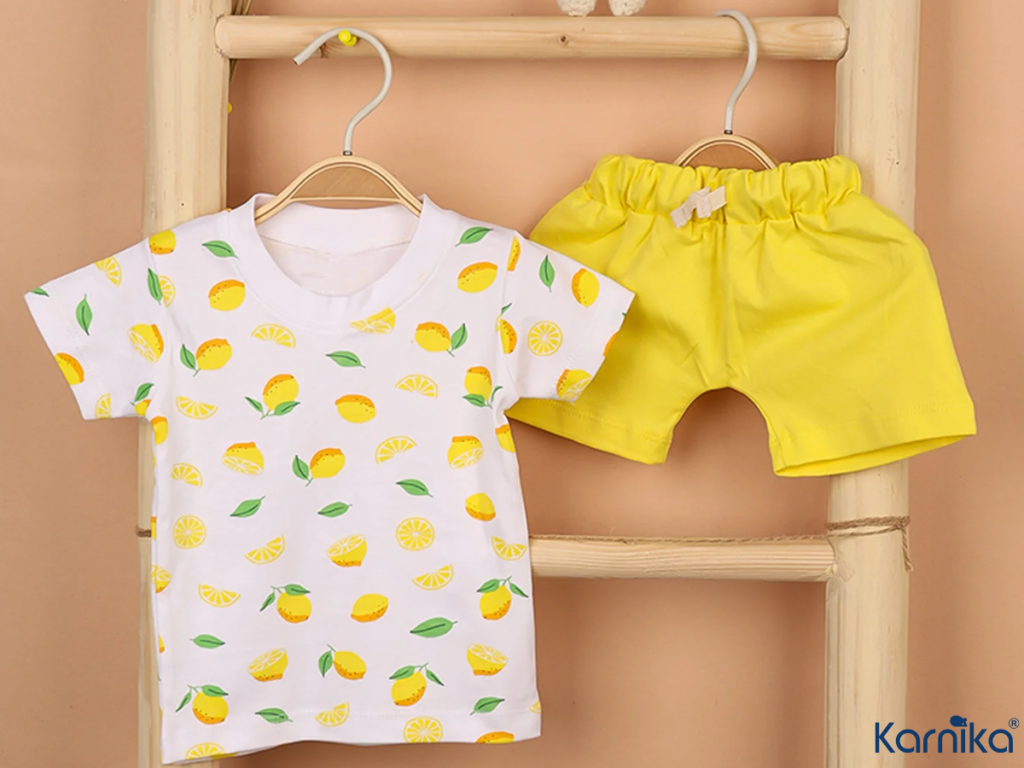
So, what are some of the innovations that are being loved by parents?
- Fabrics that are UV-protective.
- Temperature-regulating materials.
- Early-stage smart wearables blended into clothing.
Behind the scenes, AI-powered design tools and predictive trend software are helping wholesale kids’ clothing suppliers reduce guesswork and improve hit rates.
Read me: How to Find Niche Kidswear Fabric Sourcing Vendors in India
7. Evolving distribution & wholesale models
Traditional bulk buying is no longer the only option in kids’ product wholesale. Retailers want to have more flexibility and not end up with overflowing storage rooms or locked-in inventory decisions.
Thankfully, the kids’ wholesale ecosystem is also gearing up to partner as per the needs of today and offering smarter models of business operations. Retailers can now test trends and grow without constant stock pressure, as wholesalers are responding faster to demand.
New business models are focusing on:
- On-demand production to reduce dead stock
- Dropshipping and hybrid wholesale models
- Subscription-based curated kidswear boxes
- Local sourcing for faster delivery and lower logistics costs
8. Regulatory & supply chain shifts
Transparency and reliability now play a huge role in shaping sourcing decisions, and suppliers who tick off these points ultimately get selected. Values like these are reshaping partnerships and pushing the kidswear wholesale market toward more resilient, future-ready systems.
As a result, there is a stronger demand for ethical manufacturing compliance and transparent supply chains. And thanks to post-pandemic awareness, dependency on suppliers is no longer just one faraway factory or country for everything. This has reduced shipping delays, lowered logistics costs, and made it easier to respond quickly when demand changes.
All these strategies are helping the kids’ wholesale clothing market stay stable, flexible, and less vulnerable to sudden disruptions.
So, what does 2026 mean for kids’ wholesale?
2026 is not just another year of growth, but a transformation phase for the kidswear industry. Retailers and suppliers who will align with sustainability expectations and put to use technology for smarter sourcing are the ones who will survive beyond 2026.
It is a year to understand parental values and what drives them to buy a kids’ item, so that they are ready for the parents of tomorrow.
Basically, retailers and wholesale kids’ clothing suppliers who adapt early won’t just sell more, but also build trust and loyalty. And what better than returning customers to survive the ever-evolving kidswear wholesale market?
FAQs
1. Why is 2026 considered a tipping point for kids’ wholesale?
2026 marks a shift where sustainability, technology, and changing parent values move from optional to essential. Retailers and wholesalers must adapt to new buying behaviours, smarter sourcing, and ethical expectations to stay competitive in the kids’ wholesale market.
2. What products will see the highest demand in kids wholesale clothing?
Comfort-led, durable, and skin-safe clothing will dominate. Organic fabrics, functional designs, inclusive sizing, and gender-neutral styles are gaining strong traction in the kids wear wholesale market.
3. How important is sustainability in kids’ product wholesale now?
Sustainability is no longer a trend. Parents actively look for eco-friendly materials and verified certifications, making ethical sourcing a key factor when choosing wholesale kids clothing suppliers.
4. Are digital platforms replacing traditional wholesale sourcing?
Not entirely, but digital platforms are becoming essential. Online wholesale portals, AI-driven forecasting, and data-led inventory planning are reshaping how the kids wholesale clothing business operates.
5. What should retailers focus on before scaling in the kids wear wholesale market?
Retailers should evaluate supplier transparency, product quality, sustainability practices, and supply chain flexibility. Scaling without these foundations can lead to higher risk and lower customer trust.
6. How do new wholesale models reduce inventory risk?
On-demand production, dropshipping, and curated subscription models allow retailers to test demand with smaller quantities, helping them stay agile in the evolving kids wholesale market.
7. Will price still matter in kids’ dress wholesale?
Yes, but it’s no longer the only factor. Parents increasingly balance price with quality, safety, and values, making trusted brands and suppliers more attractive than the cheapest options.