
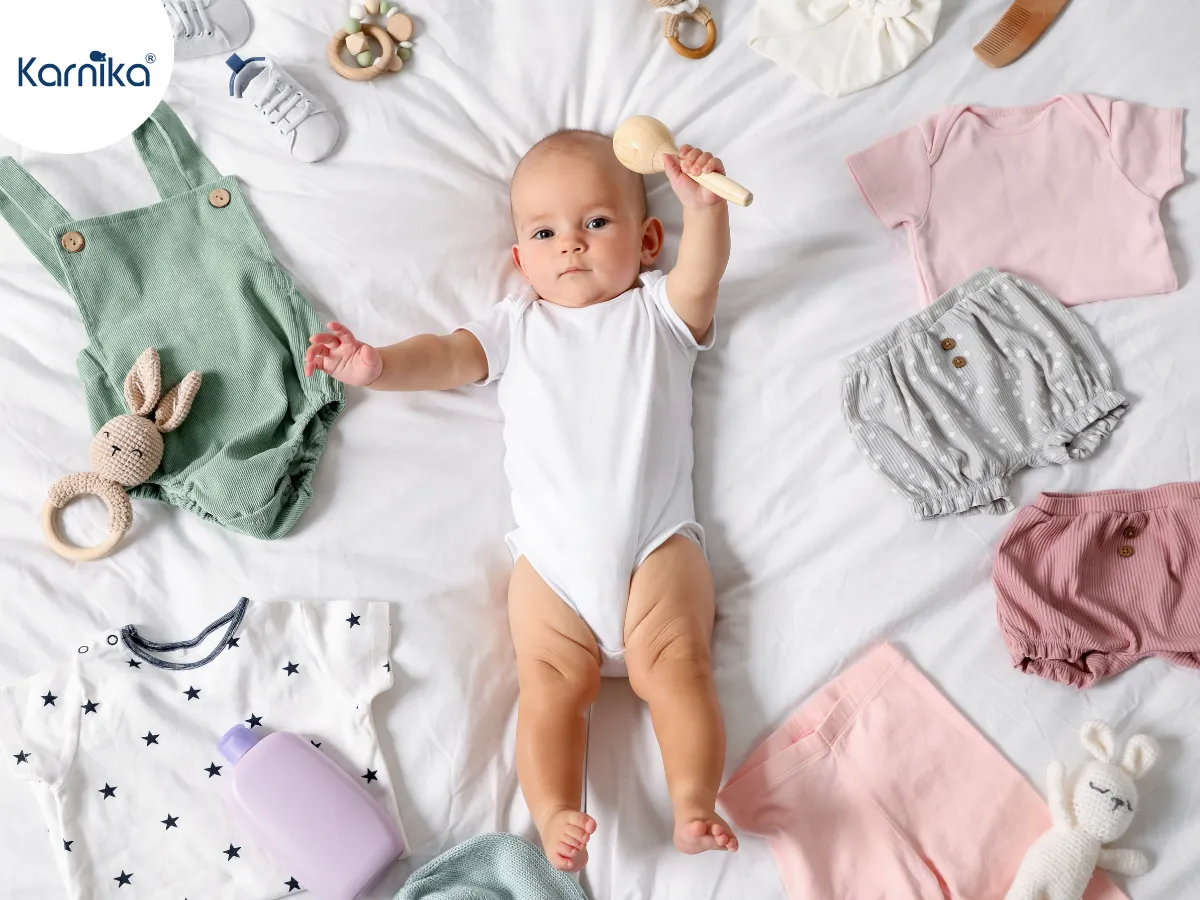
Buying newborn baby clothes in bulk looks simple enough, but it isn’t. One wrong bulk order can make you end up with dead stock and blocked capital. There is good opportunity to earn margins in the, but it also has real risks that cannot be ignored. There are strict fabric expectations from parents and they never compromise on what their child will wear. This guide will break down the exact mistakes that usually cost retailers money, so that you can avoid them.
One wrong bulk order can kill your profit.
When a retailer places a large bulk order of newborn baby clothes based on what looks trendy, then there can be many things that can go wrong. This isn’t rare, and trust us when we say it can happen to experienced buyers too. Newborn clothing looks like a safe category but it has its risks. And it genuinely is, but only when you buy it right.
The margins on newborn baby clothes wholesale are genuinely attractive. But unlike other kidswear segments, mistakes in this category are costlier.
Why do newborn baby clothes sets require extra caution?
Newborn baby clothes have their own risk category, but there are a few reasons because of which it gets more serious more quickly:
Skin sensitivity
- There is a higher quality requirement than older kidswear
- Parents notice fabric instantly
- One bad batch = bad reviews
Buying behaviour
- Safety will always win over low price
- New parents research deeply
- Most people buying for gifting purposes are quality-conscious
Size velocity
- 0–3 months: demand will change in weeks, not months
- Babies outgrow sizes rapidly
- Demand patterns differ by season
Return risk
- Sizing inconsistency = returns
- Wrong fabric = skin reactions = returns
- Higher exchange rates vs toddler sizes
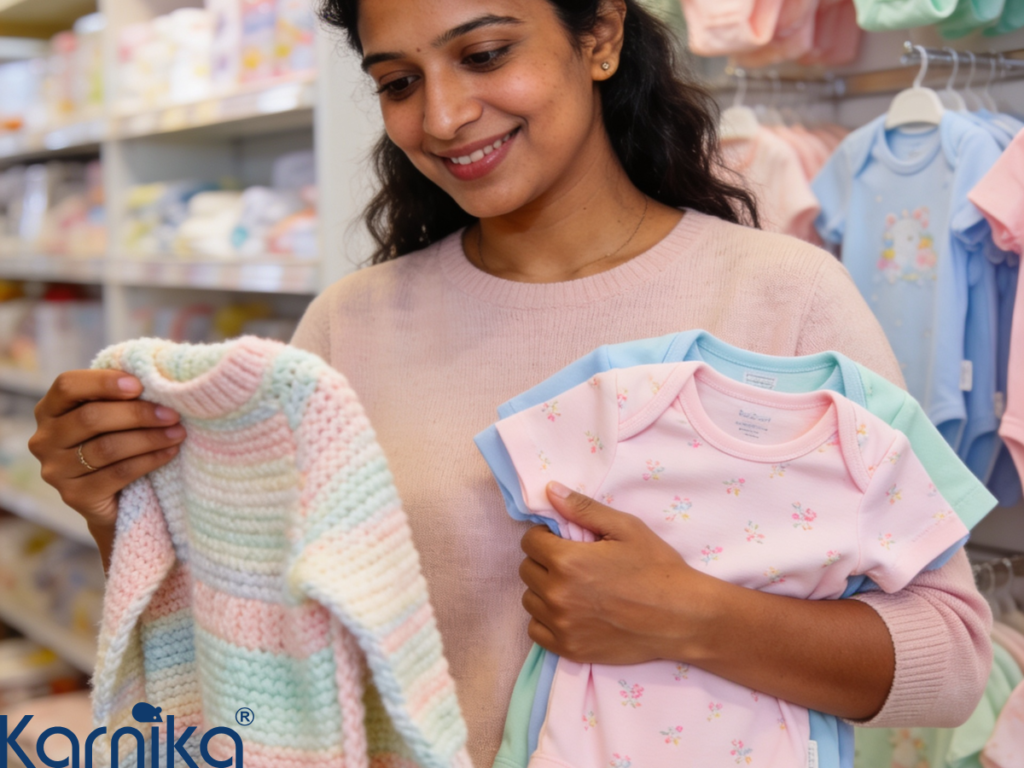
10 mistakes to avoid when buying newborn baby clothes in bulk
#1 Ignoring fabric safety and certifications
Stitching that ends up feeling scratchy, usage of harsh dyes, and synthetic blends cause skin irritation in newborns, and that’s a big concern for both babies and their parents. This is why, when you are sourcing newborn baby girl clothes, newborn baby boy clothes, or unisex newborn baby clothes, you need to make sure of fabric safety.
Quick fabric checklist: 100% cotton or organic cotton · hypoallergenic fabrics · non-toxic dyes · OEKO-TEX or GOTS certification wherever possible · soft flat stitching with no rough seams
#2 Poor size planning
Overstocking your inventory in one size and missing stocking in another is never a good step for retailers. Remember that having a smart size distribution will always help you sell better.
| Size | Age Range | Recommended Ratio | Why? |
| Newborn (NB) | 0–1 month | 15% | Short window, lower volume |
| 0–3 months | 1–3 months | 40% | Fastest moving size |
| 3–6 months | 3–6 months | 30% | High demand, longer shelf life |
| 6–9 months | 6–9 months | 15% | More overlap with toddler range |
Read me: Why newborn baby rompers are an evergreen bulk order product
#3 Choosing style over practicality
Usually newborn clothes with fancy embroidered outfits and trendy looks are good for the eyes, but end up collecting dust on shelves. Yes, they sometimes sell out fast during festive seasons, but in general, parents want to buy what their babies genuinely love and feel comfortable in.
Here is what reality looks like in comparison to what Instagram sells as must-haves:
| Instagram styles | Real-selling styles |
| Elaborate ruffles & embroidery | Bodysuits, rompers, sleepwear (easy-to-wear) |
| Delicate fabrics, hard to wash | Machine-washable cotton (easy-to-wash) |
| Looks great, moves slowly | Easy snaps, stretchable necks |
| High return rate | Repeat purchase intent |
#4 Not considering seasonality
Wholesale supply chains generally have long lead times in categories like newborn baby girl clothes, newborn baby boy clothes, and unisex newborn baby clothes. By the time your order is placed, manufactured, and shipped, many weeks pass by. And buyers who don’t take this into account when placing orders receive delayed orders.
The solution is to plan orders 2–3 months in advance of the season you are buying for. And whenever you feel you aren’t sure, stock up on season-neutral options like light cotton in white, ivory, sage, or soft grey.
Read me: Fast-Moving Babywear Every B2B Clothing Retailer Needs
#5 Chasing the lowest price and ignoring quality
Every rupee or dollar you save on cheap stock gets paid back twice in returns and customer complaints. Parents never compromise on their newborn’s safety, and mistakes in this regard are costlier than buying newborn baby clothes in bulk.
| Hidden cost of cheap stock | What quality can actually buy! |
| Return shipping & restocking | Lower return rates |
| Negative reviews online | Better reviews & word-of-mouth |
| Lost repeat customers | Repeat orders from loyal buyers |
| Unsellable deadstock | Higher perceived value = better margins |
#6 Choosing the wrong supplier
A wrong wholesale kids’ clothing supplier or baby clothes manufacturer will cost you more than a bad order. It will not only ruin your stock but also damage your customer trust.
Always start with a small test order before committing to high volume from a reliable baby clothes manufacturer.
| Warning signs | What to look for? |
| Inconsistent quality across batches | Verifiable certifications |
| No safety certifications | Sample orders available |
| Slow or evasive communication | Clear communication & lead times |
| No sample option | References or verified reviews |
#7 Ordering too much before testing demand
Another, actually silly, mistake is overstocking various newborn baby clothes sets without testing their demand in the market. Overstocking never helps because it not only affects the margins, but also blocks your working capital for months.
Low-risk strategy: Test 2–3 SKUs in small batches first. Track what sells in 30–45 days. Then scale the winners. This is how experienced wholesale buyers protect their cash flow.
#8 Ignoring functional design details
These details may seem small, but they directly influence whether or not parents will keep returning to your brand for repeat purchases. Parents remember (and love) which brands were loved by their babies and made their mornings easier. Make sure you are aware of these details when placing your newborn baby clothes wholesale order.
| Must-have design features in newborn clothes | What parents hate? |
| Easy snap buttons (not tiny hooks) | Complicated back buttons |
| Stretchable necklines | Tight necklines (hard to dress/undress) |
| Diaper-accessible leg snaps | Snaps that don’t align well |
| Flat inner seams | Fabric that pills after 2 washes |
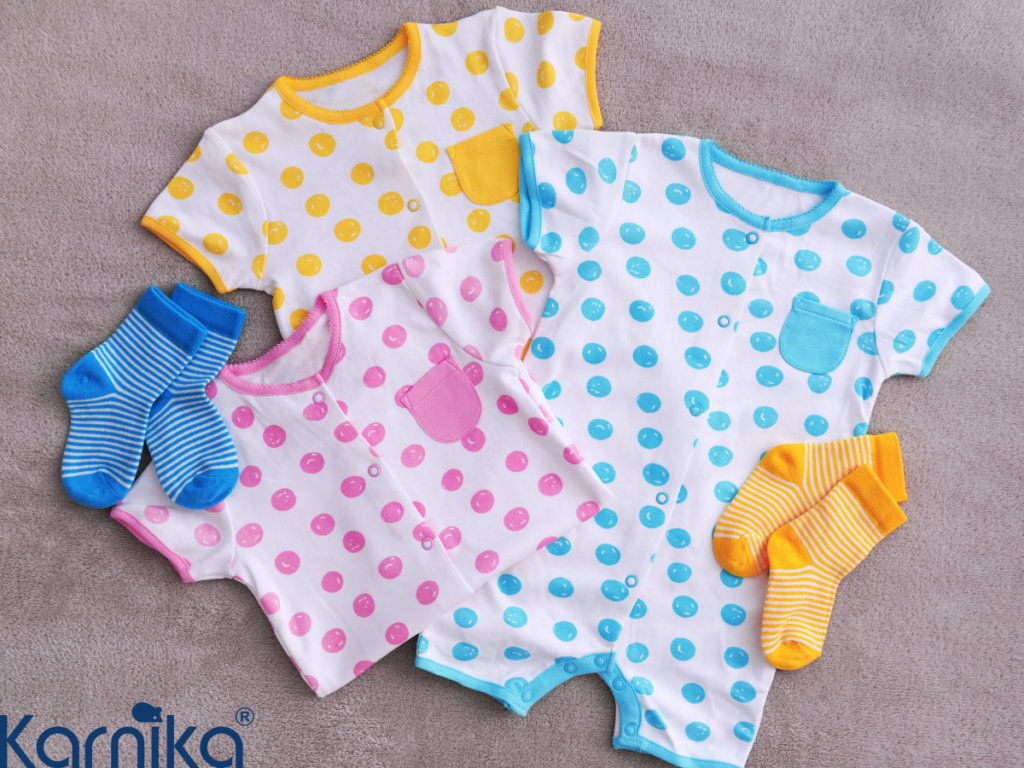
#9 Not planning for returns and exchanges
Newborn sizing can sometimes become problematically inconsistent across wholesale kids’ clothing suppliers. A “0–3M” from one brand may fit a baby very well at 6 weeks, but another set from another brand may be too big even for a 10-week-old.
Parents know this and sometimes buy multiple sizes, so that they can return the one that doesn’t fit.
Operational tip: Factor a 5–8% return buffer into your cost model. If your return rate is lower, that’s a margin. And if it’s higher, you are already covered.
Read me: How to avoid delivery delays in kidswear bulk orders?
#10 Buying on gut feeling instead of data
The most profitable buyers of newborn baby clothes aren’t simply buying what looks nice. Instead, they are doing their research and buying what their data tells them moves fast. You need to study your past sales, customer feedback, and repeat order patterns for the best buying strategies.
| Data points to track | What does this unlock? |
| Sales velocity by size & style | Smarter reorder decisions |
| Return rate by SKU | Less deadstock risk |
| Repeat purchase categories | Higher sell-through rates |
| Seasonal demand shifts | Better supplier negotiations |
Pro tips for profitable newborn baby clothes bulk orders
· Prioritise essentials like bodysuits, rompers, and sleepwear before testing trends.
· Bundle products into sets: a well-curated newborn baby clothes set will outsell individual pieces every time.
· Consistent quality across orders is what will build repeat buyers.
· Stock unisex newborn baby clothes for maximum range flexibility and gifting options.
· Build a long-term relationship with a reliable wholesale kids’ clothing supplier.
Bonus: Pre-order checklist before every bulk buy
1. Fabric safety verified (cotton, certifications checked)
2. Size ratio optimised for demand
3. Season matched to your market’s climate
4. Supplier tested with a sample order first
5. Demand validated with past sales data
6. Margin calculated including return buffer
Final thoughts
Buyers who are smart aren’t the ones that are chasing the biggest orders or the lowest prices. They are, in fact, the ones who are avoiding mistakes.
Investing in quality sourcing and building a relationship with a trusted baby clothes manufacturer will help you buy better. The margins in newborn baby clothes are genuinely good, and they stay good when you protect them.
Ready to source smarter?
Connect with a certified wholesale kids’ clothing supplier and request samples before your next bulk order.
FAQs
1. What is the best fabric for newborn baby clothes?
100% cotton or organic cotton is the safest choice. It’s breathable, soft on sensitive skin, and less likely to cause irritation or allergic reactions.
2. What sizes sell the most in newborn baby clothes?
0–3 months is the fastest-moving size. Most buyers recommend weighting 40% of your order toward 0–3M, as newborn (NB) is outgrown within weeks.
3. How do I find a reliable newborn baby clothes wholesale supplier?
Start with a small sample order before committing to bulk. Check for fabric certifications, consistent quality across batches, and clear communication on lead times.
4. Is unisex newborn clothing worth stocking in bulk?
Yes. Unisex styles in neutral colours have broader appeal, sell faster, and perform especially well as gifts — reducing the risk of slow-moving gender-specific overstock.
5. How far in advance should I order newborn baby clothes for a season?
Order 2–3 months ahead of the season you’re buying for, not the one you’re currently in. Wholesale lead times are long and late stock is essentially unsellable.
6. Why are newborn baby clothes returned more than other sizes?
Sizing is inconsistent across manufacturers — a “0–3M” from one brand fits differently from another. Build a 5–8% return buffer into your pricing to protect your margins.