
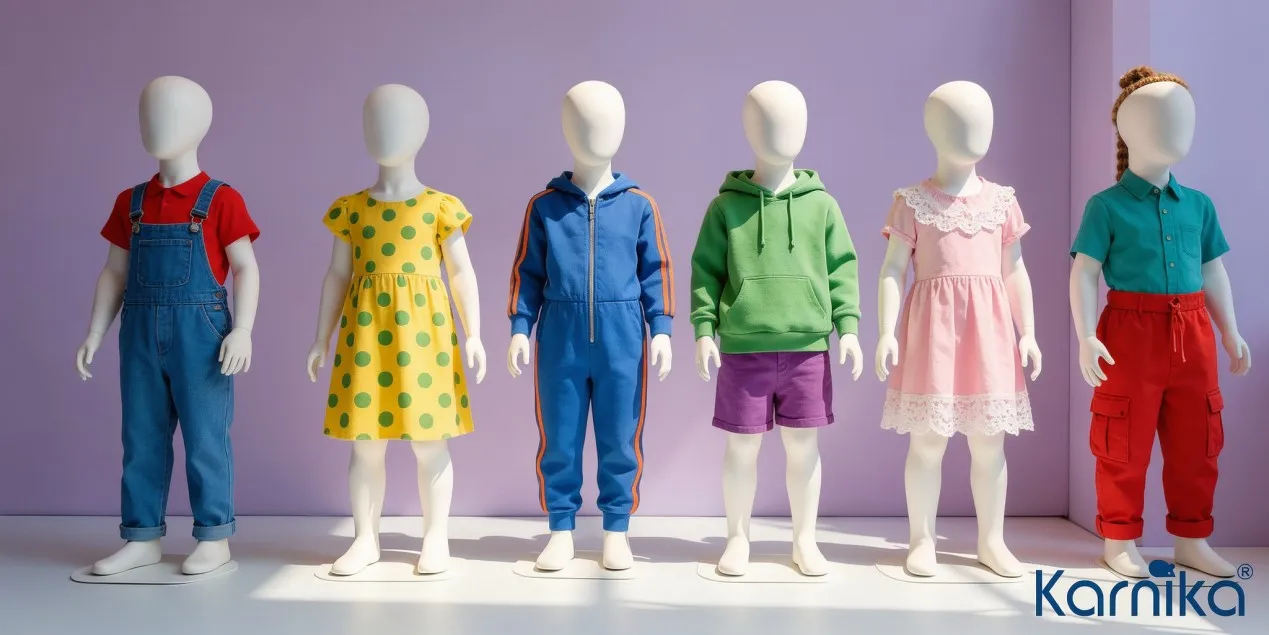
Retailers frequently prioritize price, trends, and delivery speed when placing orders Kids clothing wholesale. But the pre-production (PP) sample is one stage that gently secures your revenue, status, and business. PP sample approval is a standard checkpoint in global garment production, especially in GMP-compliant and CPSIA-regulated children’s apparel.
In our experience at Karnika Industries, which produces more than 5 million kidswear units a year, omitting this step frequently results in bulk errors that are expensive to fix. The most frequent PP defects we observe during factory audits are small measurement errors, uneven fabric softness, and imprecise stitching.
Why Pre-Production Samples Matter More in Kidswear
Adult fashion is separate from children’s clothing. There is a lot more risk. Even a small mistake in children’s clothing might result in returns, safety concerns, and legal challenges.
Kidswear vs Adult Wear: Zero Margin for Error
Adults may be able to put up with a little bit of scratchy fabric but the kids need comfort. Their sensitive skin needs high quality fabric. So, for the Kids clothing wholesale, to maintain their reputation, they need to make their production error free. The most frequent PP faults we find during factory audits are small measurement errors that accumulate over thousands of units and inconsistent fabric softness.
In the world of kids’ clothing, a production run is most likely to fail if the bulk fabric doesn’t feel as soft or high-quality as the original sample.
Comfort, Safety, and Sizing Expectations from Parents
Parents search for:
· Breathable fabrics
· Comfortable stitches
PP samples help in verifying these requirements in actual manufacturing settings. Negative feedback, return of goods, and a lasting loss of brand trust are frequently the results of skipping this stage. Over 60% of kidswear returns occurs due to fit and comfort issues.
Why Bulk Production Magnifies Small Mistakes
When you make 10,000 pieces of clothing, a small error in one becomes a major issue. PP samples help in identifying those problems before to the starting of bulk cutting.
Even a 0.5–1 cm neckline or sleeve variation during bulk cutting might produce thousands of error pieces. We’ve seen entire 9,000-piece runs rejected due to a 0.8 cm neck or sleeve variances.
What Is a Pre-Production Sample? (And What It Is Not)
The final, certified garment created using proper amount materials, trims, specifications, and manufacturing techniques is called a PP sample.
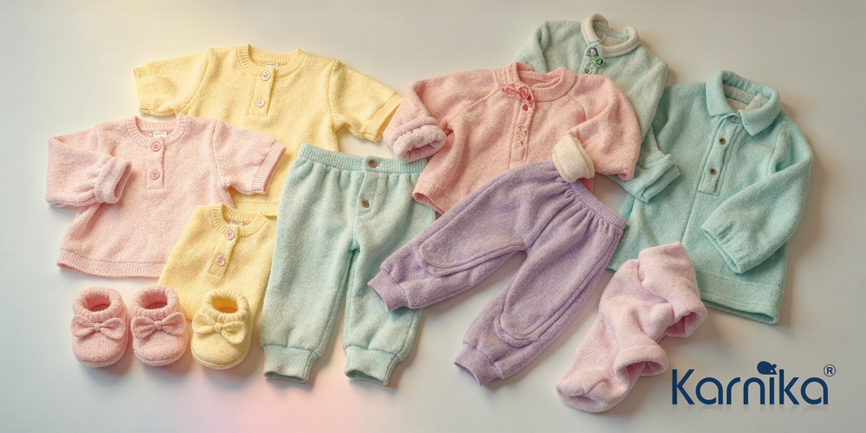
Difference between Samples
| Sample Type | Purpose | Limitation |
| Design Mockup | Shows idea | Not production ready |
| Sales/Showroom Sample | Used for display | May use different materials |
| PP Sample | Final approval for bulk | Must match bulk exactly |
Why Showroom Samples Don’t Represent Bulk Reality
Showroom samples are often made with:
· Different fabric batches
· Hand-finished stitching
· Extra quality attention
As bulk production operates at scale, outcomes could vary. PP samples are a reflection of actual production conditions.
Hidden Risks Retailers Face without Pre-Production Samples
Fabric Feel & Comfort Issues
· GSM mismatch: Fabric may be heavier or lighter than expected.
· Softness differences: Since fabric texture often changes after a wash, you’ve got to double-check the softness of your PP samples to make sure the bulk production actually meets your standards before you start cutting.
· Breathability issues: Children may feel hot and uncomfortable.
These problems lead to product returns and poor ratings. About 30% of post-wash complaints in children’s clothing are related to color fading.
Color & Print Variations
· Prints may look dull or too bright
· Risk of color leaking when cleaning
· Prints may crack or fade
Retailers only find out about these issues after product becomes available if PP approval cannot be granted.
Stitching & Finish Quality Gaps
· Weak, easily splitting stitching
· Poor materials
· Incorrect stitching
· Improperly placed buttons or zippers
Children are active, thus clothing that is poorly made will get damaged quickly.
Size & Fit Inconsistencies
· Inaccurate size grading
· Too-tight sleeves
· Too little neck slots
· Length differences
In practice, factories often experience ±0.5–1 cm variation in chest or sleeve lengths during grading; PP samples allow retailers to catch these errors before bulk production begins
Safety & Compliance Oversights
Safety is crucial in Kids clothing wholesale.
Some risks are:
· Sharp zippers
· Choking hazard: small, detached buttons
· Drawstrings that are not safe
· Missing of care labels
If you fail here, there could be significant legal and brand issues. PP samples not only verify compliance with CPSIA (US) and EN 14682 drawstring standards but also provide traceable documentation for audits, protecting retailers from legal and reputational risks.
Why These Risks Go Unnoticed until it’s Too Late
Pressure to Reduce Lead Time: Retailers avoid PP samples in order to speed up shipping. However, fixing mass errors is more time-consuming than allowing samples.
Trusting Past Orders Blindly
Workers, suppliers, and fabric batches are all changed by factories. Future outcomes are not guaranteed by past success.
Relying Only on Photos or Swatches
Images cover up the quality of the stitching. Images don’t display the fit or fabric of apparel. Only an entire PP garment shows what’s real.
How Manufacturers Use Pre-Production Samples to Prevent Errors
Professional kidswear manufacturers use PP samples as a quality checkpoint.
· Internal approvals before cutting bulk fabric
· Measurement and grading checks
· Fabric shrinkage testing
· Wash tests
· Trim safety testing
This guarantees the alignment of the design, sourcing, and production teams.
Karnika Industries uses these procedures across its monthly manufacturing capacity of more than 500,000 units, which is regularly examined for compliance to ISO quality approvals, CPSIA, and EN standards.
What Retailers Should Check in a Pre-Production Sample?
When approving a PP sample, retailers should verify:
Fabric
· Softness
· Stretch
· Wash performance
Measurements
· Size chart match
· Tolerance levels
· Fit on child mannequins if possible
Stitching
· Stitch density
· Seam strength
· No loose threads
Accessories
· Button strength
· Zipper smoothness
· Label accuracy
Packaging
· Folding method
· Tags and barcodes
· Polybag safety

Several merchants also use AQL-based inspection criteria that are in line with PP-approved samples.
When Skipping PP Samples Might Cost More Than It Saves
You may face:
Rejections and Rework: Fixing bulk stock is expensive and delays delivery.
Dead Inventory: Unsellable stock eats storage and capital.
Damage to Retailer Credibility: Parents remember bad quality. Reputation loss is long-term.
Best Practices for Retailers Ordering Bulk Kidswear
Retailers purchasing from wholesalers of children’s apparel should take following actions:
· Approve Pre-Production samples in writing at all times.
· Give yourself time to make corrections.
· Maintain sample records for future orders.
· Ask for updates on washing and shrinking
· Clearly communicate your expectations for quality.
If you want better-fitting, safer, and parent-approved clothing, you should never miss this step when placing wholesale orders for children’s apparel.
Key Takeaways for Retailers
· Never skip PP samples: They are critical for fit, safety, and quality assurance.
· Check compliance: Ensure samples meet CPSIA, EN, and internal standards.
· Use first-hand data: Review audit reports, wash tests, and child safety tests.
· Document approvals: Maintain records for every bulk order.
· Partner with trusted manufacturers: Experience, compliance, and capacity matter.
Spending time on pre-production approval guarantees child safety, avoids expensive mistakes, and maintains your brand’s reputation.
Experienced kidswear manufacturers use Pre-Production samples to maintain quality and reduce return risks. Partnership with experienced manufacturers like Karnika Industries helps retailers reduce risks and ensure good quality in kidswear production.