
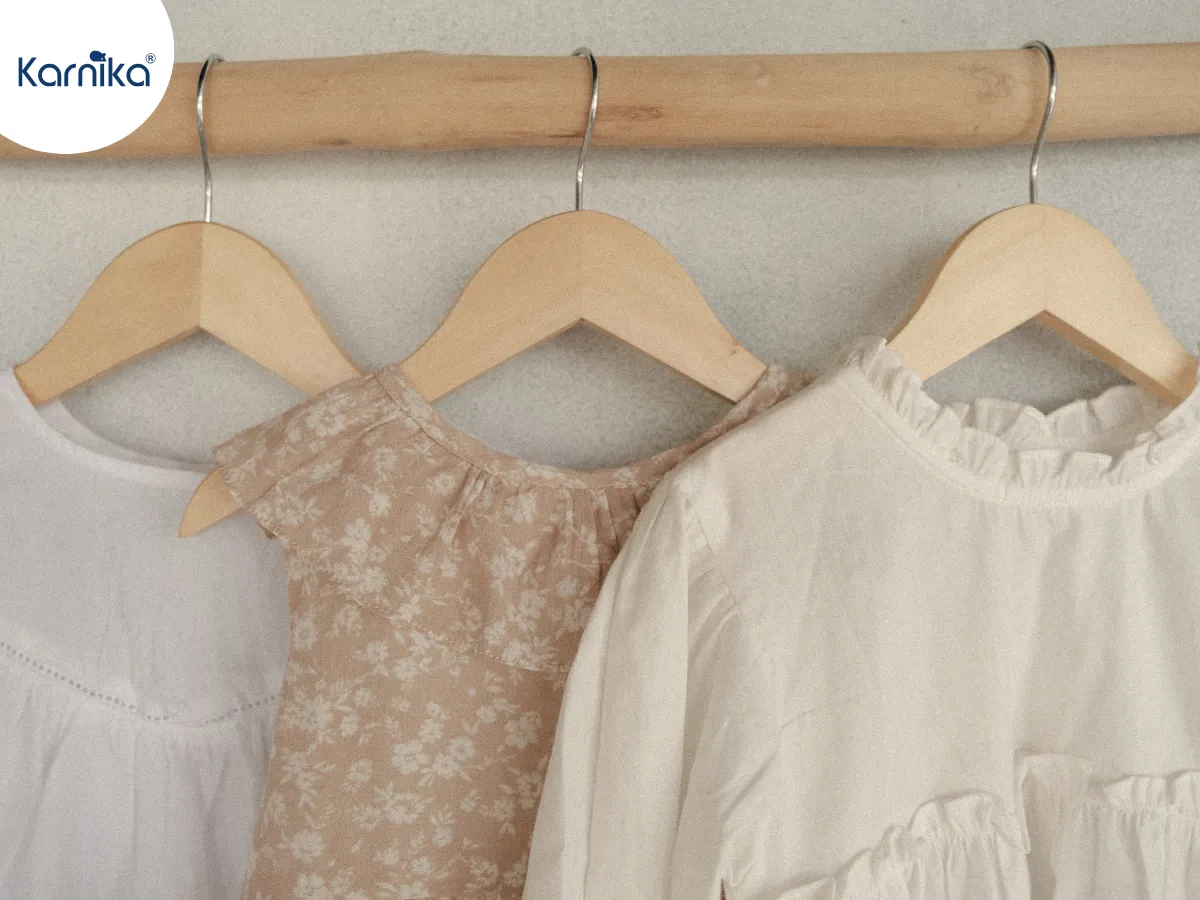
Picture this: Two wholesale buyers placed orders for the same kid’s kurta design with the same stitching, colours, and even the same pricing.
Six months later, one of them is getting flooded with repeat orders and has a website full of positive reviews. The other, however, is dealing with returns and complaints about skin rashes, and also has a huge pile of unsold stock.
You might be thinking what really went wrong if everything was the same. What was the differentiating factor? Well, the answer is fabrics: cotton blend fabric vs cotton.
Sometimes, wholesale buyers pay a lot of attention to pricing and MOQs, but forget to pay attention to the fabric quality, and interestingly, it often matters more than anything else. Your choice of fabric isn’t only about what the material is, but also an important factor in how much profit you will actually make.
And fabric, cotton blend fabric vs cotton, will influence what your return rates and customer satisfaction will be. Ultimately your reputation as a kids’ clothing seller will depend on what you sell and how long they last.
Why does fabric matter more than style in bulk buying?
As buyers, we often tend to focus more on the design or colour palette, and even though there is no denying that these are important details, in reality, the fabric of your product matters more. A beautiful garment in the wrong fabric will end up ruining your business.
Here are a few reasons why fabric choice matters so much:
- Product lifespan: If you end up with cheap or wrong fabric, your garment will fall apart after a few washes. And that will directly result in returns, replacements, and lost trust.
- Customer comfort: When it comes to kidswear and babywear, parents notice everything and compromise on nothing. Cotton blend fabric vs cotton decides whether you end up with itchy fabric or not, which leads to bad reviews and no repeat business.
- Return rates: Bad fabric means high return rates and this can eat into your margins faster than almost anything else.
- Pricing flexibility: Premium fabric = premium pricing = better margins per piece. It will give you room to negotiate.
For any good quality wholesale clothing distributor in India, fabric is where quality control really begins. And this one small step can help you more than any other factor to grow your business and build your reputation.
Understanding cotton fabrics — The trust factor
Parents everywhere love one fabric throughout the year and it is only common sense that we begin talking about the best fabrics for kidswear with cotton fabric.
Why do buyers love cotton?
Cotton is the most breathable and skin-friendly fabric for kidswear, especially in a country like India, where summers are a big challenge for the little ones. Cotton isn’t just preferred by parents, but also expected to be put in what children wear. And this is why, whether you are sourcing from the fabric market in Kolkata or any other metro cities, cotton is always in demand.
It is also a perfect choice for babies and toddlers as fabric for dress. Newborn skin is sensitive, and any kind of roughness or synthetic blend close to the skin will be a big no-no for parents. This is why pure cotton is the default ask for babywear, and rightfully so. It will never go out of fashion, and for wholesale buyers, consistent and loyal demand for cotton means stable, predictable sell-through rates.
Where does cotton get tricky?
But like every good thing, cotton too has its limitations, and because of this, as a fabric for dress, it can get a little tricky for wholesale kids’ clothing suppliers. Here are some of the limitations of cotton:
- It wrinkles easily and this isn’t something that customers won’t notice when they unpack their child’s clothes.
- Cotton can shrink if not pre-washed or pre-treated before stitching.
- The cost for cotton fabric is slightly higher than blended options.
Bottom line? In the cotton blend fabric vs cotton battle, pure cotton generally wins because of high trust, consistent demand, and a strong selling point. And for babywear and kids’ daily wear, stocking pure cotton is going to be worth every extra cost.

Understanding blended fabrics — The margin player
Often, wholesale buyers think that cotton blends are only a cheap alternative for pure cotton and don’t work very well in the kidswear market. But here’s what they miss out on by ignoring this fabric segment, because when used correctly, it can end up being your tool for margin.
What is cotton blend fabric and why do they work well?
When you hear the word cotton blend, think of fabric for dress like cotton-polyester mixes, viscose blends, or polyester-cotton (PC).
Cotton blend fabrics are basically cotton mixed with one or more fabrics with the intention of creating a strong fabric that helps win over the limitations of pure cotton. Individually, cotton fabric is soft, breathable, and skin-friendly, but has limitations like wrinkles and stretching. This is why mixing it with other fabrics helps utilise the strengths of that other fabric and create a durable material that’s loved by all.
Where do cotton blends win?
When you are buying in bulk, every rupee matters and that’s exactly where your answer for what is cotton blend lies. Here are some of the reasons that makes them a smart choice for wholesalers:
- Durability: One of the reasons where blended fabrics win in the cotton blend fabric vs cotton debate is that they better handle repeated washing better than pure cotton.
- Wrinkle resistance: Parents love this because when a school shirt comes out of the wash looking neat and not wrinkled, that’s a genuine value-add.
- Better margins: When you are buying in bulk from a wholesale kids’ clothing supplier, blended cotton will give you more room for negotiation, and also protect your margins.
- Easy maintenance: Factors like quick drying, shape retention, and need for less ironing matter to busy parents and blended cotton definitely wins here.
But there are also some limitations to cotton blends as well like it is less breathable than pure cotton and can feel warm and stuffy in Indian summers. Plus, it doesn’t have a premium feel to it like pure cotton and isn’t ideal for newborns or very young babies with sensitive skin.
Cotton blends are definitely cost-efficient and practical as a fabric for dress in the kidswear segment but it isn’t a one-size-fits-all solution.
Read me: Why newborn baby rompers are an evergreen bulk order product
Cotton blend fabric vs cotton: Side-by-side comparison
Here’s a clear comparison to keep in mind when you are comparing both types of fabric for your next bulk order:
| Factor | Cotton | Blended Fabrics |
| Comfort | Excellent | Moderate |
| Durability | Medium | High |
| Cost | Higher | Lower |
| Maintenance | Moderate | Easy |
| Demand (Babywear) | Very High | Low |
| Demand (Kidswear) | High | High |
| Profit margin | Moderate | Higher |
| Best use case | Babywear, daily wear, summer | School/uniform wear, outerwear, value range |
Tip: Consider the “best use case” for understanding which fabric is right for what you are selling and to whom.
Which fabric sells better in which category?
This section will help you towards guiding your buying decisions based on what sells better, whether in cotton blend fabric vs cotton.
Babywear
Winner: Cotton (always)
One thing that you need to clearly understand is that when parents buy for their newborns and infants, they aren’t price-shopping, but instead safety-shopping. Therefore, if there is even a slight hint of synthetic or roughness on delicate skin, then they will move on.
And this is why you can blindly trust pure cotton, especially organic or hosiery cotton, in this category. This should be a non-negotiable choice when buying in bulk from a wholesale kids’ clothing supplier for babywear.
Kids casual & daily wear
Winner: Mixed, but cotton leads.
For everyday T-shirts, frocks, and casual sets, parents still prefer cotton. However, when it comes to printed tees and festive wear, there is a greater preference for blended fabrics, and they also sell well at lower price points.
So, how can you plan your buying better? You need to know what your customer type is. For instance, if you are selling to budget-conscious buyers, then well-made blends will work. But for premium positioning, you need to stick to cotton.
School & uniform wear
Winner: Cotton blends, clearly.
Okay, so, uniforms need to survive five days a week of wear, washing, ironing, and general childhood chaos. Here you cannot negotiate and simply need to trust blended fabrics, especially PC blends, because they are the industry standard for school uniforms.
They hold shape better, dry faster, and require less maintenance and betting on cotton blends will help you remain profitable and reputable in the market.
Profit vs customer satisfaction — Finding the balance
Here’s a tension that every wholesaler faces: pure cotton makes customers happier, but blends help in maintaining margins. So, which do you prioritise in this cotton blend fabric vs cotton debate?
Well, the honest answer is, you don’t have to choose one.
Cotton builds customer loyalty and buyers who receive good quality clothes from good quality wholesale clothing distributors in India remember where it came from. And what’s even better is that they also refer these distributors and keep returning back.
Cotton blends, on the other hand, build profitability at lower input costs and wider margins. This means that it helps wholesaler buyers grow faster and take on more volume.
Therefore, the smartest approach would be to use both strategically.
Read me: How to avoid delivery delays in kidswear bulk orders?
Common mistakes wholesale buyers make (and how to avoid them)
Yes, even smart (and strategically playing) wholesale buyers end up making mistakes sometimes. And while it is true these end up costing buyers more money, with a little awareness (and care) buyers can easily avoid them.
- Not choosing fabric based only on price, but also taking into consideration return rates, customer satisfaction, and long-term brand reputation.
- Ignoring who the end customer is because a baby’s skin is not the same as a 10-year-olds.
- Not checking fabric composition properly because “cotton” on a label doesn’t always mean 100% cotton.
Tip: Ask for GSM (grams per square metre) and exact composition percentages before placing bulk orders.
- Relying on only one fabric type as an inventory that’s entirely cotton or entirely blended will result in a missed opportunity.
Bonus: Mix your fabric portfolio
Here is a simple formula you can use to achieve success in your cotton blend fabric vs cotton ratio:
- 50–60% cotton-based products — these are going to be your core, reliable sellers with consistent, strong demand.
- 40–50% blended fabric products — these will be your margin boosters and your best deal for specific categories like uniforms and outerwear.
Why does this work? Because you are not betting everything on one fabric type and have a mixed fabric portfolio. And this way, you will also be reducing your inventory risk.
Partner with a wholesale kids’ clothing supplier
How to check fabric quality before bulk buying?
You can use this as your quick quality check routine before placing your bulk orders:
- Touch and feel test: Run the fabric through your fingers and make sure it doesn’t feel rough, scratchy, or stiff.
- Stretch test: Gently stretch the fabric and once you let it go it should return to shape.
- Wash test: If possible, wash a sample piece before ordering and check for shrinkage, colour bleeding, and texture changes.
- Ask for GSM and composition details: Any serious, good quality wholesale clothing distributor in India will share this without hesitation.
Important questions to ask your supplier
- What is the exact fabric composition? (e.g., 60% cotton, 40% polyester)
- What is the GSM?
- Is the fabric pre-shrunk or pre-washed?
- Can I get a fabric sample before placing the bulk order?
- What’s your return/replacement policy for fabric defects?
Fabric strategy based on your market type
- Local retail shops: You typically serve end customers directly, and a cotton-heavy inventory will help you more, as quality and comfort are the primary selling points here.
- Online sellers: You typically operate across different price tiers, and therefore, a mix of well-made blends and cotton will work well.
- Wholesalers and distributors: You will benefit most from a balanced portfolio because you have diverse buyers with different needs.
Trends worth watching in fabric demand
The fabric market in India is evolving, and as a wholesale buyer, it is only common sense that you remain aware of the market trends. Here are some of the trends that will matter more than others:
Organic cotton is growing fast.
More parents are actively searching for organic cotton clothing for babies and young children. And if you can source certified organic cotton products, then there’s a premium market waiting for you.
Performance blends are picking up.
These quick-dry, stretch-friendly, and moisture-wicking fabric blends (originally popular in activewear) are finding their way into everyday kidswear. This will be worth keeping an eye on.
Customers are more quality-aware than ever.
Today, parents are researching everywhere, from social media and parenting communities to online reviews, before buying. And this means that the fabric quality that was “good enough” five years ago may not be wanted today.
Final thoughts
The smart buyer is one who will not buy randomly, but instead create a more balanced inventory that will help them remain in the market (and also win it).
Yes, pure cottons are what parents reach for first, especially for young children, because of their quality, but having cotton blends in stock will help you remain competitive. This is why it is smartest to buy and stock both. The best wholesale buyers, whether they are sourcing from the fabric market in Kolkata or Tirupur, build a stable portfolio by choosing both fabrics.
It is necessary that you know your customer and your category, so that you can build your margins accordingly. And then, let the fabric work its magic for you.
Still figuring out the right fabric mix for your next bulk order? We are here to help.
FAQs
Q1: What is the difference between cotton and blended fabric?
Cotton is a natural fibre that’s soft and breathable. Blended fabric mixes cotton with synthetic fibres like polyester to improve durability, reduce cost, and make maintenance easier.
Q2: Which fabric is better for kids clothing — cotton or blend?
It depends on the category. Pure cotton is best for babywear and daily wear. Blends work well for school uniforms and outerwear where durability matters more.
Q3: Is blended fabric safe for babies?
Blended fabrics are generally not recommended for newborns and very young babies. Pure cotton is the safer choice for sensitive skin.
Q4: Why do wholesale buyers prefer blended fabrics?
Blends cost less than pure cotton, which means better profit margins. They’re also more durable and easier to maintain — a practical selling point for parents.
Q5: How do I check fabric quality before bulk buying?
Ask your supplier for GSM and fabric composition details, request a sample, and do a basic touch, stretch, and wash test before placing a bulk order.
Q6: Which fabric is best for school uniforms?
Blended fabrics — especially cotton-polyester mixes — are the preferred choice for school uniforms. They hold shape well, dry faster, and require less ironing.